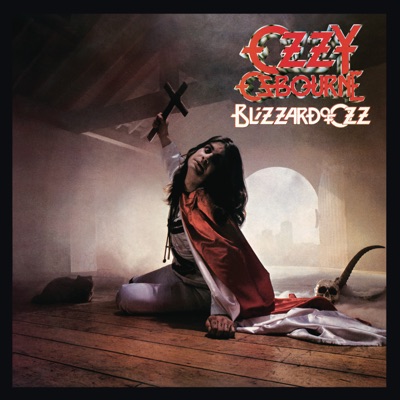
Bark at the Moon
A fast, Marshall-driven heavy metal riff by Jake E. Lee.
What is the Bark at the Moon guitar tone?
The Bark at the Moon guitar tone is a fast, Marshall-driven heavy metal riff by Jake E. Lee, heard on Ozzy Osbourne's 1980s heavy metal recording. It is a distorted riff tone, and Ozzy Osbourne reportedly tracked it with Jake E. Lee's blue burst Charvel, the Strat-style guitar Charvel says he used throughout the Bark at the Moon and Ultimate Sin album cycles, into a Marshall modified by José Arredondo that Lee says he took with him to England and recorded the song with, through Electro-Voice speakers, after Ozzy told him to try whatever he needed for his sound; Bonedo dates his main amp for the sessions to a 1977 100-watt Marshall head; Lee brought in the riff, Ozzy named the song after the album title he already had in mind, and Lee says he and bassist Bob Daisley fleshed out most of the songs while Ozzy came and went, although the songwriting is credited to Ozzy alone; the album was made at Ridge Farm with Max Norman engineering, and Lee spent a whole night trying to get the solo the way he heard it until Ozzy told him to go out and jam, and the solo on the record is his second take of jamming; Tommy Aldridge plays drums on the track, and it was the first single from the album, released in 1983. The bite in this kind of heavy metal comes from a boost or drive pedal pushing a loud amp, so the tone is thick but never smooth, with the mids left in.
You do not need that exact gear to land in the same place. What carries this sound is the gain structure, the EQ curve, the pickup choice and the order of the effects, and all four can be rebuilt on equipment that costs a fraction of the original. The numbers change from amp to amp, because a high-gain head and a small practice amp reach the same voicing from different knob positions. That translation is what Tonelify works out for the rig you actually own.
Bark at the Moon amp settings: a starting point
On a generic five-knob amp, start at Gain 7, Bass 6, Middle 6, Treble 6, Presence 5, Reverb 1, with the bridge pickup.
- Gain 7
- Bass 6
- Middle 6
- Treble 6
- Presence 5
- Reverb 1
- Signal chain
- Marshall modded by José Arredondo, Electro-Voice speakers
- The control that matters most
- The amp first. Lee recorded through a Marshall modified by José Arredondo, so start from a thick, mid-forward Marshall crunch with the gain well up, and if you add a boost, use it to tighten the sound rather than to pile on distortion. A scooped modern high-gain channel moves away from the record, and the solo on it is a second take of just jamming, so play it loose rather than chasing every note.
These positions are free and they are a starting point. A Katana, a Spark and a valve head reach this voicing from different knob positions, so Tonelify rewrites every value above for the amp and guitar you own. Your first match is free with an account, and needs no card.
Adapt these to my amp- Pickup
- Bridge pickup
These are positions on a generic five-knob amp with gain, bass, middle, treble and presence, each running 0 to 10. They are a starting point, not the settings used on the record, and they will not transfer unchanged to an amp with a different gain structure or EQ voicing. If you tell Tonelify which amp you own, it rewrites every value above for the controls that amp actually has.
What gear did Ozzy Osbourne use on Bark at the Moon?
Jake E. Lee's blue burst Charvel, the Strat-style guitar Charvel says he used throughout the Bark at the Moon and Ultimate Sin album cycles, into a Marshall modified by José Arredondo that Lee says he took with him to England and recorded the song with, through Electro-Voice speakers, after Ozzy told him to try whatever he needed for his sound; Bonedo dates his main amp for the sessions to a 1977 100-watt Marshall head; Lee brought in the riff, Ozzy named the song after the album title he already had in mind, and Lee says he and bassist Bob Daisley fleshed out most of the songs while Ozzy came and went, although the songwriting is credited to Ozzy alone; the album was made at Ridge Farm with Max Norman engineering, and Lee spent a whole night trying to get the solo the way he heard it until Ozzy told him to go out and jam, and the solo on the record is his second take of jamming; Tommy Aldridge plays drums on the track, and it was the first single from the album, released in 1983.
Sources: Loudwire: Jake E. Lee on the Bark at the Moon solo and his Marshall, Ultimate Classic Rock: Jake E. Lee on making Bark at the Moon, Bonedo: Bark at the Moon guitar workshop (German), Guitar.com: Charvel's Jake E. Lee Blue Burst, Wikipedia: Bark at the Moon (song)
Tonelify reads that chain and translates it to the amp and guitar you already own, returning gain, bass, mids, treble and presence values along with a pickup position.
How do you get the Bark at the Moon tone on your own amp?
Tell us your guitar, amp, and pedals
AI researches the original tone of Bark at the Moon
Get exact knob settings adapted to your rig
Bark at the Moon tone questions
What amp settings do you need for Bark at the Moon?
On a generic five-knob amp, start at Gain 7, Bass 6, Middle 6, Treble 6, Presence 5, Reverb 1, with the bridge pickup. These are positions on a generic five-knob amp with gain, bass, middle, treble and presence, each running 0 to 10. They are a starting point, not the settings used on the record, and they will not transfer unchanged to an amp with a different gain structure or EQ voicing. Tonelify rewrites the same values for the specific amp and guitar you own, because a high-gain head and a small solid-state combo reach the same fast, Marshall-driven heavy metal riff by Jake E. Lee from different positions.
What is the most important control for the Bark at the Moon tone?
The amp first. Lee recorded through a Marshall modified by José Arredondo, so start from a thick, mid-forward Marshall crunch with the gain well up, and if you add a boost, use it to tighten the sound rather than to pile on distortion. A scooped modern high-gain channel moves away from the record, and the solo on it is a second take of just jamming, so play it loose rather than chasing every note.
Can you get the Bark at the Moon tone without the original gear?
Yes. The original was tracked with Jake E. Lee's blue burst Charvel, the Strat-style guitar Charvel says he used throughout the Bark at the Moon and Ultimate Sin album cycles, into a Marshall modified by José Arredondo that Lee says he took with him to England and recorded the song with, through Electro-Voice speakers, after Ozzy told him to try whatever he needed for his sound; Bonedo dates his main amp for the sessions to a 1977 100-watt Marshall head; Lee brought in the riff, Ozzy named the song after the album title he already had in mind, and Lee says he and bassist Bob Daisley fleshed out most of the songs while Ozzy came and went, although the songwriting is credited to Ozzy alone; the album was made at Ridge Farm with Max Norman engineering, and Lee spent a whole night trying to get the solo the way he heard it until Ozzy told him to go out and jam, and the solo on the record is his second take of jamming; Tommy Aldridge plays drums on the track, and it was the first single from the album, released in 1983, but the parts that define the sound are the gain structure, the EQ curve, the pickup position and the effects order. Those translate to other equipment, which is what the adaptation step does.
Is Bark at the Moon a rhythm or a lead tone?
It is a riff part with a distorted character, from Ozzy Osbourne's 1980s heavy metal catalogue.
Does Tonelify cost anything to try?
Your first match for your own gear is free with an account, and needs no card. After that both plans start with a 7-day free trial: Stage is $6.99 a month for 20 matches, Headliner is $10.99 a month for unlimited matching within a fair use limit of 150 new matches a day, and yearly billing works out cheaper on both. Reading this page and the rest of the library costs nothing and needs no account.