Rooster
A heavy, surging chorus sound after almost dreamy verses.
What is the Rooster guitar tone?
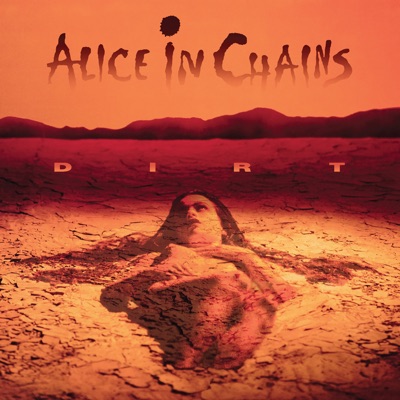
The Rooster guitar tone is a heavy, surging chorus sound after almost dreamy verses, heard on Alice in Chains' 1990s grunge recording. It is a distorted riff tone, and Alice in Chains reportedly tracked it with Jerry Cantrell's G&L Rampage, the single-pickup 'Blue Dress' guitar he says is on 98.9 percent of everything he has recorded, through producer Dave Jerden's rhythm setup for Dirt: three amps fed at once from a Lucas Deceiver splitter, a Bogner Fish preamp into a VHT power amp and a Marshall cabinet with Vox Bulldog speakers for the lows, a Bogner Ecstasy for the mids and a Rockman pocket amp recorded direct for the highs, each track doubled and panned, six in all, with the leads through Jerden's own modified 1988 Marshall Super Lead; that is Jerden's account of the album as a whole, and Guitar.com adds that an Electro-Harmonix Small Stone phaser and a flanger, most likely a Boss, are said to have been used on this song; Cantrell wrote it for his father, Jerry Cantrell Sr., whose childhood nickname was Rooster and who served in the US Army in Vietnam; the demo was cut at Eldorado Studios in Los Angeles during the sessions for the Singles soundtrack, and Cantrell felt the demo had a vibe the album take did not, while the album take has a quality of its own; AllMusic hears almost dreamy verses against surging, blasting choruses; the song went to US radio on 22 February 1993 as Dirt's fourth single and peaked at number seven on the Mainstream Rock chart. Here the song moves between almost dreamy verses and surging, blasting choruses, so the gap between the two sounds matters as much as either one, and the heavy part is a blend of three amps rather than one saturated channel.
You do not need that exact gear to land in the same place. What carries this sound is the gain structure, the EQ curve, the pickup choice and the order of the effects, and all four can be rebuilt on equipment that costs a fraction of the original. The numbers change from amp to amp, because a high-gain head and a small practice amp reach the same voicing from different knob positions. That translation is what Tonelify works out for the rig you actually own.
Rooster amp settings: a starting point
On a generic five-knob amp, start at Gain 6, Bass 6, Middle 4, Treble 6, Presence 5, Reverb 2 for the choruses, with the single pickup, the guitar's only one. There is a second setting for the verses below.
- Gain 6
- Bass 6
- Middle 4
- Treble 6
- Presence 5
- Reverb 2
- Signal chain
- Lucas Deceiver splitter into three amps → Bogner Fish preamp and VHT power amp, Bogner Ecstasy, Rockman direct
- The control that matters most
- The gap between the sections. Set the verses much quieter and cleaner than the choruses, then for the choruses keep the bass full and the treble smooth with moderate gain, as on Jerden's three-amp Dirt rig, and double the part if you are recording.
These positions are free and they are a starting point. A Katana, a Spark and a valve head reach this voicing from different knob positions, so Tonelify rewrites every value above for the amp and guitar you own. A first plan starts with 7 days free, $0 today.
Adapt these to my amp- Pickup
- Single pickup, the guitar's only one
These are positions on a generic five-knob amp with gain, bass, middle, treble and presence, each running 0 to 10. They are a starting point, not the settings used on the record, and they will not transfer unchanged to an amp with a different gain structure or EQ voicing. If you tell Tonelify which amp you own, it rewrites every value above for the controls that amp actually has.
Second sound
Rooster amp settings for the verses
For the verses, start at Gain 2, Bass 6, Middle 4, Treble 6, Presence 5, Reverb 3, with the single pickup, the guitar's only one.
- Gain 2
- Bass 6
- Middle 4
- Treble 6
- Presence 5
- Reverb 3
- Signal chain
- Straight into the amp
- Where the song switches
- AllMusic hears almost dreamy verses against surging, blasting choruses. Guitar.com says a Small Stone phaser and a flanger are said to be on the song, without saying where.
- Pickup
- Single pickup, the guitar's only one
The same reference as the panel above: positions on a generic five-knob amp, a starting point rather than the settings on the record.
Does the Rooster tone sound off on your amp?
Pick what you hear. You get the knobs to turn from the starting point above, and how far. It works from the setting for the choruses.
What gear did Alice in Chains use on Rooster?
Jerry Cantrell's G&L Rampage, the single-pickup 'Blue Dress' guitar he says is on 98.9 percent of everything he has recorded, through producer Dave Jerden's rhythm setup for Dirt: three amps fed at once from a Lucas Deceiver splitter, a Bogner Fish preamp into a VHT power amp and a Marshall cabinet with Vox Bulldog speakers for the lows, a Bogner Ecstasy for the mids and a Rockman pocket amp recorded direct for the highs, each track doubled and panned, six in all, with the leads through Jerden's own modified 1988 Marshall Super Lead; that is Jerden's account of the album as a whole, and Guitar.com adds that an Electro-Harmonix Small Stone phaser and a flanger, most likely a Boss, are said to have been used on this song; Cantrell wrote it for his father, Jerry Cantrell Sr., whose childhood nickname was Rooster and who served in the US Army in Vietnam; the demo was cut at Eldorado Studios in Los Angeles during the sessions for the Singles soundtrack, and Cantrell felt the demo had a vibe the album take did not, while the album take has a quality of its own; AllMusic hears almost dreamy verses against surging, blasting choruses; the song went to US radio on 22 February 1993 as Dirt's fourth single and peaked at number seven on the Mainstream Rock chart.
Sources: Guitar.com: the gear Jerry Cantrell used on Alice in Chains' Dirt, Wikipedia: Rooster (song)
Tonelify's tone matcher reads that chain and translates it to the amp and guitar you already own, returning gain, bass, mids, treble and presence values along with a pickup position.
How do you get the Rooster tone on your own amp?
Tell us your guitar, amp, and pedals
AI researches the original tone of Rooster
Get exact knob settings adapted to your rig
Rooster tone questions
What amp settings do you need for Rooster?
On a generic five-knob amp, start at Gain 6, Bass 6, Middle 4, Treble 6, Presence 5, Reverb 2 for the choruses, with the single pickup, the guitar's only one, and at Gain 2, Bass 6, Middle 4, Treble 6, Presence 5, Reverb 3 for the verses, with the single pickup, the guitar's only one. These are positions on a generic five-knob amp with gain, bass, middle, treble and presence, each running 0 to 10. They are a starting point, not the settings used on the record, and they will not transfer unchanged to an amp with a different gain structure or EQ voicing. Tonelify rewrites the same values for the specific amp and guitar you own, because a high-gain head and a small solid-state combo reach the same heavy, surging chorus sound after almost dreamy verses from different positions.
Does Rooster use one amp setting or two?
Two. AllMusic hears almost dreamy verses against surging, blasting choruses. Guitar.com says a Small Stone phaser and a flanger are said to be on the song, without saying where. On a generic five-knob amp, start at Gain 6, Bass 6, Middle 4, Treble 6, Presence 5, Reverb 2 for the choruses, and at Gain 2, Bass 6, Middle 4, Treble 6, Presence 5, Reverb 3 for the verses.
What amp did Jerry Cantrell use on Rooster?
Amp: Bogner Fish and VHT, Bogner Ecstasy and a Rockman, blended (album rig). Guitar: G&L Rampage, the Blue Dress guitar. Sources: Guitar.com and Wikipedia.
What were Jerry Cantrell's amp settings on Rooster?
None of the sources cited on this page gives Jerry Cantrell's full amp settings on Rooster. The numbers here are a starting point for that kind of part, not the settings from the session, and Tonelify rewrites them for the amp and guitar you own.
How do you get Jerry Cantrell's tone on Rooster?
The gap between the sections. Set the verses much quieter and cleaner than the choruses, then for the choruses keep the bass full and the treble smooth with moderate gain, as on Jerden's three-amp Dirt rig, and double the part if you are recording. Play it with the single pickup, the guitar's only one.
Can you get the Rooster tone without the original gear?
Yes. The parts that define the sound are the gain structure, the EQ curve, the pickup position and the effects order, and those translate to other equipment. Tonelify's adaptation step works them out for the amp and guitar you own.
Does Tonelify cost anything to try?
A match for your own gear takes a plan, and a first plan starts with 7 days free with nothing charged that day: Stage is $6.99 a month for 20 matches, Headliner is $10.99 a month for unlimited matching within a fair use limit of 150 new matches a day, and yearly billing works out cheaper on both. Reading this page and the rest of the library costs nothing and needs no account.