Get the style
Best amp settings for pinch harmonics
Updated 7 min read2 knob panels5 sources
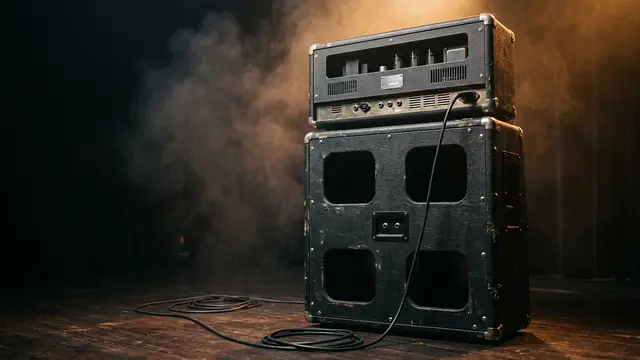
Start with Gain at 7, Bass at 5, Middle at 6, Treble at 7 and Presence at 6, with the reverb at 2 or less, on the bridge pickup. That is a little more gain and treble than a rock rhythm sound, with the middle kept up rather than scooped. On a Fender Mustang LT25, use 80S ROCK with Gain 7, Treble 7, Bass 5 and Middle 6.
The settings help, but the harmonic comes from the picking hand. The pick and the side of the thumb touch the string almost at once on a down pick, with medium to strong force, and the spot along the string matters as much as the gain: picked in the wrong place, a harmonic never sounds loud whatever the amp is set to.
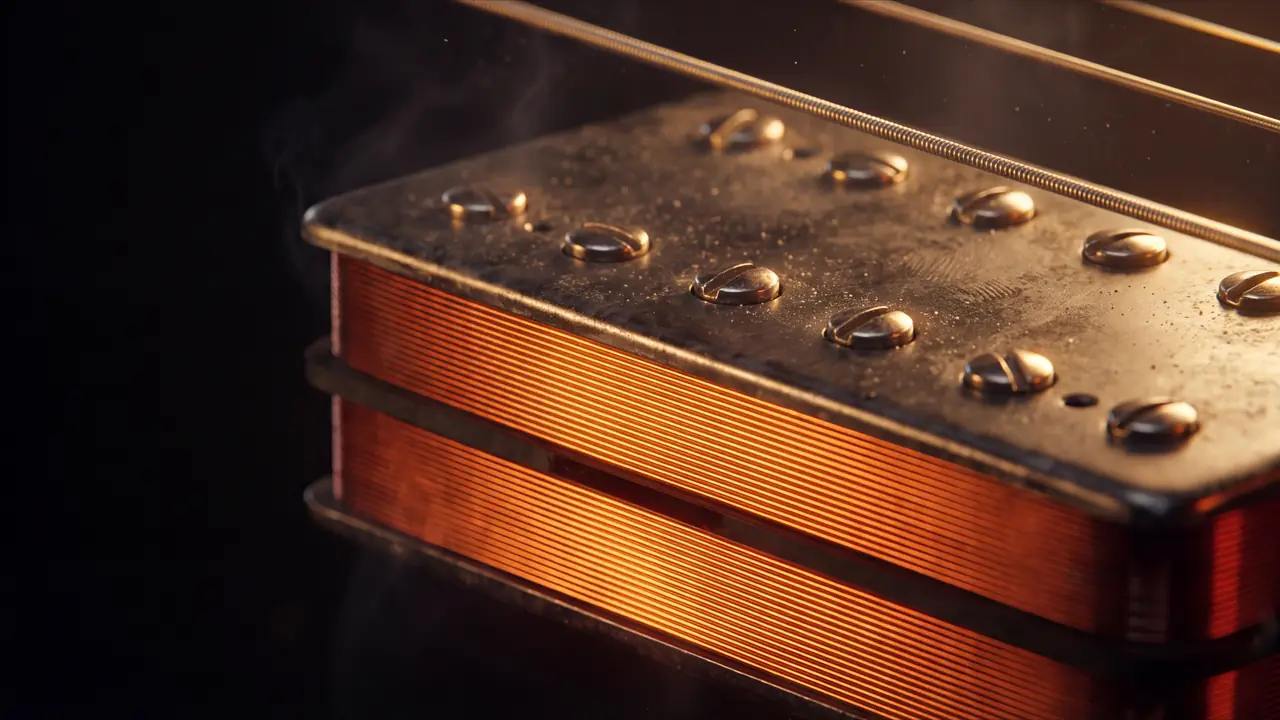
Amp settings for pinch harmonics
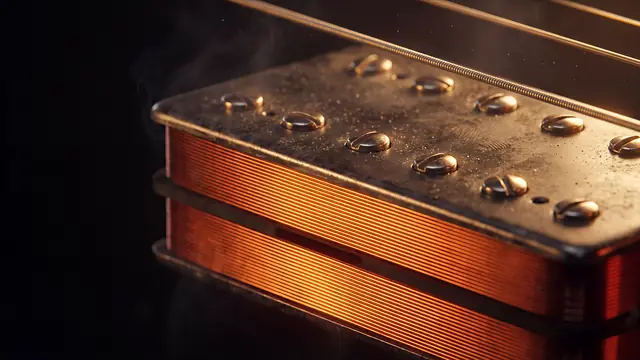
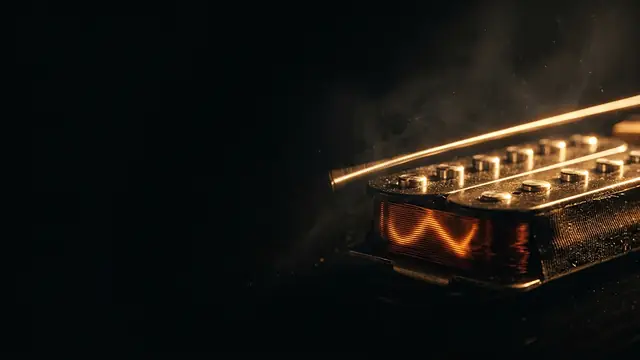
A pinch harmonic is the thumb catching the string just after the pick, which cancels the string's fundamental and lets one of its overtones take over.[2] Wikipedia notes the squeal is especially easy to hear on an amplified guitar, and Guitar World's lesson recommends a distorted amp with the bridge pickup, adding that a humbucker tends to give more of them than a conventional single coil.[1]
So the starting point is a lead sound: Gain 7, Bass 5, Middle 6, Treble 7 and Presence 6. The middle stays up, as on this site's hard rock starting point, and the treble sits a step higher. Guitar World notes that a wah rocked toe down makes pinch harmonics scream even more because of the extra brightness,[1] and Treble and Presence are the amp's version of that.
Treat Gain 7 as a target sound, not a fixed position. On a high-gain channel, start lower and raise it only until the harmonics come through; on an amp that is still clean at 7, put a drive pedal in front.
- Gain 7
- Bass 5
- Middle 6
- Treble 7
- Presence 6
- Reverb 0 to 2
Bridge pickup. A starting point, not any player's settings.
Why a pinch harmonic will not squeal
Most of the time it is the hand, not the amp. Hub Guitar's lesson calls picking away from a harmonic sweet spot the most common mistake: in the wrong place the harmonic never sounds loud and clear, and the spot moves as you fret different notes.[3]
Pick attack is the next check. Guitar World advises medium to strong force, since harmonics are less likely with light contact, and warns that a thumb left on the string mutes it into a dead note.[1] JamPlay's lesson says to show as little of the pick as possible and let the side of the thumb rub the string straight after it.[4]
Only then turn to the amp. Hub Guitar puts a good pinch harmonic down to technique, gain and tonal processing more than pickup height, and suggests a small, thick pick.[3] If the technique is there and the harmonics are still faint, raise the Gain a step, then the Treble, before changing anything else.
Finding the sweet spot
Guitar World's lesson starts with the open low E: picked over the neck pickup it gives one E harmonic, and over the middle pickup a higher one, and with practice the same open string gives two octaves of E plus G sharp and B.[1] Hub Guitar suggests finding the spots on the open strings first, then following them towards the bridge as you fret higher notes.[3]
JamPlay's lesson says to move the picking hand along the string, around the pickup, to find different harmonics.[4] Billy Gibbons does exactly that on La Grange: Guitar World points to the second solo, where he holds one note and moves his picking hand over the pickups to change the harmonic's pitch.[1]
Pinch harmonic settings on a Fender Mustang LT25
The LT25 has five knobs, Gain, Volume, Treble, Bass and Master Volume, and no Middle or Presence knob. Fender's manual says Middle is set from the encoder: press it on the amp model, scroll to MIDDLE and turn.[5]
For pinch harmonics, start on 80S ROCK, which Fender bases on the Marshall JCM800,[5] with Gain 7, Treble 7, Bass 5 and Middle 6, then press SAVE so the change stays with the preset. For metal, SUPER HEAVY or METAL 2000, both based on the EVH 5150III, work with the same knobs and the Gain a step lower.
- Gain 7
- Treble 7
- Bass 5
- Middle 6
Middle is set from the encoder. Bridge pickup.
How Zakk Wylde and Billy Gibbons set up for them
Guitar World's lesson names Zakk Wylde and Billy Gibbons among the players to study. For Wylde it suggests a bridge humbucker into a Marshall-style distorted sound, noting he used JCM800s for many years, and for his lead sound a wah pushed toe down for the pinch harmonics.[1] The No More Tears page in the library has his rig on that record: a Les Paul with EMG pickups through a Boss SD-1 into Marshall JCM800 2203 heads.
Gibbons is the opposite case. Guitar World says he gets his pinch harmonics without much amp gain, from a clean-ish Marshall sound, by digging into the note.[1] On La Grange he played a 1955 Stratocaster straight into a 1969 Marshall Super Lead, so single coils and moderate gain can do it when the pick attack is strong.
Settings for one song on your amp
These are starting points on a generic amp and on the LT25. Each song in the library has its own page with the rig the record was made on and its sources, and when you want the settings worked out for the amp and guitar you own, Tonelify does that for any song in the library.
Songs in this guide


Common questions
What are the best amp settings for pinch harmonics?
Start with Gain 7, Bass 5, Middle 6, Treble 7 and Presence 6, with the reverb low, on the bridge pickup. Keep the middle up rather than scooped and the treble a step above a rhythm sound, then adjust the gain until the harmonics come through.
Do you need distortion for pinch harmonics?
No. Hub Guitar notes they can be played on an acoustic or an electric, but gain makes them far easier to hear. Billy Gibbons gets them from a fairly clean Marshall sound by digging into the note, while metal players usually use more gain.
Why are my pinch harmonics quiet?
Usually the picking spot. A harmonic only sounds loud at a sweet spot along the string, and the spot moves with the note you fret. Then check the attack: pick with medium to strong force and take the thumb off the string straight away, or it mutes the note.
Do pinch harmonics work with single coils?
Yes. Guitar World says a humbucker tends to make them easier, but Billy Gibbons played La Grange on a 1955 Stratocaster. With single coils, use the bridge pickup and raise the Gain or the Treble a step.
What are good pinch harmonic settings on a Mustang LT25?
Use 80S ROCK, which Fender bases on the Marshall JCM800, with Gain 7, Treble 7, Bass 5 and Middle 6, setting Middle from the encoder. Press SAVE, or the change is lost when you leave the preset.
Sources
The numbers in brackets in the text point to this list.
Gear in this guide
Settings for your own amp
This guide covers what is true of every rig. For a specific song on a specific amp, Tonelify reads the documented chain behind the recording and returns gain, bass, middle, treble and presence values for the controls your amp actually has. A first plan starts with 7 days free, $0 today.