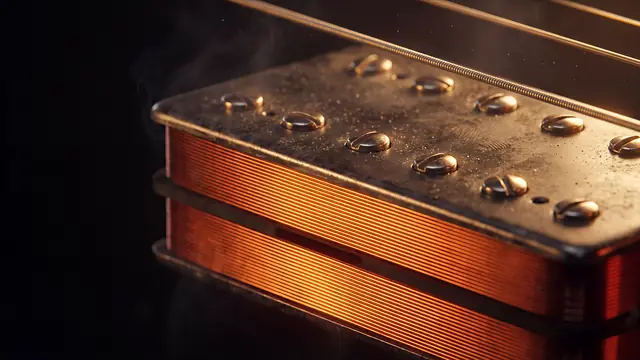
La Grange
A boogie riff and fuzzy leads made of pure tube distortion.
What is the La Grange guitar tone?
The La Grange guitar tone is a boogie riff and fuzzy leads made of pure tube distortion, heard on ZZ Top's 1970s blues rock recording. It is a distorted riff tone, and ZZ Top reportedly tracked it with a 1955 Fender Stratocaster with a stop tailpiece straight into a 1969 Marshall Super Lead 100, in Billy Gibbons' own words, with the fuzz in the lead and at the front and back of the song coming from pure tube distortion rather than a pedal; he says the different tones come from the pickup settings, and that the opening part was played on what the band called the mystery setting, an in-between position on a three-way switch, found by dedication before five-way switches existed; the Marshall, which he calls a trusted friend through the first six records, was an import brought over by Jeff Beck's tech of the time, one of four that were his main road amps for years, run through cabinets with Celestion Greenback speakers; he says the first three albums were recorded only at Robin Hood Studios, which he places outside Dallas, where the equipment was nailed to the floor so a sound could always be counted on; the groove comes from the boogie rhythm John Lee Hooker used on Boogie Chillen', and the song, about a brothel on the outskirts of La Grange, Texas, is on Tres Hombres (1973); produced by Bill Ham, it came out as a single in January 1974 and reached number 41 on the Billboard Hot 100. Here the fuzz on the record is pure tube distortion from a Marshall Super Lead with the guitar plugged straight in, so the amp's volume and the pickup setting do the work a pedal would do elsewhere.
You do not need that exact gear to land in the same place. What carries this sound is the gain structure, the EQ curve, the pickup choice and the order of the effects, and all four can be rebuilt on equipment that costs a fraction of the original. The numbers change from amp to amp, because a high-gain head and a small practice amp reach the same voicing from different knob positions. That translation is what Tonelify works out for the rig you actually own.
La Grange amp settings: a starting point
On a generic five-knob amp, start at Gain 4, Bass 5, Middle 6, Treble 6, Presence 5, Reverb 3, with the in-between position of the three-way switch on the opening part.
- Gain 4
- Bass 5
- Middle 6
- Treble 6
- Presence 5
- Reverb 3
- Signal chain
- Straight into the amp, no pedals
- The control that matters most
- The pickup selector, then amp volume. Gibbons says the tones on the record come from pickup settings, with the opening on an in-between position, and the fuzz from the Marshall itself, so find the in-between setting for the intro, keep the guitar straight into the amp and get the grit from volume rather than a pedal.
These positions are free and they are a starting point. A Katana, a Spark and a valve head reach this voicing from different knob positions, so Tonelify rewrites every value above for the amp and guitar you own. A first plan starts with 7 days free, $0 today.
Adapt these to my amp- Pickup
- In-between position of the three-way switch on the opening part
These are positions on a generic five-knob amp with gain, bass, middle, treble and presence, each running 0 to 10. They are a starting point, not the settings used on the record, and they will not transfer unchanged to an amp with a different gain structure or EQ voicing. If you tell Tonelify which amp you own, it rewrites every value above for the controls that amp actually has.
Does the La Grange tone sound off on your amp?
Pick what you hear. You get the knobs to turn from the starting point above, and how far.
What gear did ZZ Top use on La Grange?
A 1955 Fender Stratocaster with a stop tailpiece straight into a 1969 Marshall Super Lead 100, in Billy Gibbons' own words, with the fuzz in the lead and at the front and back of the song coming from pure tube distortion rather than a pedal; he says the different tones come from the pickup settings, and that the opening part was played on what the band called the mystery setting, an in-between position on a three-way switch, found by dedication before five-way switches existed; the Marshall, which he calls a trusted friend through the first six records, was an import brought over by Jeff Beck's tech of the time, one of four that were his main road amps for years, run through cabinets with Celestion Greenback speakers; he says the first three albums were recorded only at Robin Hood Studios, which he places outside Dallas, where the equipment was nailed to the floor so a sound could always be counted on; the groove comes from the boogie rhythm John Lee Hooker used on Boogie Chillen', and the song, about a brothel on the outskirts of La Grange, Texas, is on Tres Hombres (1973); produced by Bill Ham, it came out as a single in January 1974 and reached number 41 on the Billboard Hot 100.
Sources: Guitar World: Prime Cuts, Billy Gibbons on ZZ Top's songs, Wikipedia: La Grange (song)
Tonelify's tone matcher reads that chain and translates it to the amp and guitar you already own, returning gain, bass, mids, treble and presence values along with a pickup position.
How do you get the La Grange tone on your own amp?
Tell us your guitar, amp, and pedals
AI researches the original tone of La Grange
Get exact knob settings adapted to your rig
La Grange tone questions
What amp settings do you need for La Grange?
On a generic five-knob amp, start at Gain 4, Bass 5, Middle 6, Treble 6, Presence 5, Reverb 3, with the in-between position of the three-way switch on the opening part. These are positions on a generic five-knob amp with gain, bass, middle, treble and presence, each running 0 to 10. They are a starting point, not the settings used on the record, and they will not transfer unchanged to an amp with a different gain structure or EQ voicing. Tonelify rewrites the same values for the specific amp and guitar you own, because a high-gain head and a small solid-state combo reach the same boogie riff and fuzzy leads made of pure tube distortion from different positions.
What amp did Billy Gibbons use on La Grange?
Amp: 1969 Marshall Super Lead 100. Guitar: 1955 Fender Stratocaster with a stop tailpiece. Sources: Guitar World and Wikipedia.
What were Billy Gibbons' amp settings on La Grange?
None of the sources cited on this page gives Billy Gibbons' full amp settings on La Grange. The numbers here are a starting point for that kind of part, not the settings from the session, and Tonelify rewrites them for the amp and guitar you own.
How do you get Billy Gibbons' tone on La Grange?
The pickup selector, then amp volume. Gibbons says the tones on the record come from pickup settings, with the opening on an in-between position, and the fuzz from the Marshall itself, so find the in-between setting for the intro, keep the guitar straight into the amp and get the grit from volume rather than a pedal. Play it with the in-between position of the three-way switch on the opening part.
Can you get the La Grange tone without the original gear?
Yes. The parts that define the sound are the gain structure, the EQ curve, the pickup position and the effects order, and those translate to other equipment. Tonelify's adaptation step works them out for the amp and guitar you own.
Does Tonelify cost anything to try?
A match for your own gear takes a plan, and a first plan starts with 7 days free with nothing charged that day: Stage is $6.99 a month for 20 matches, Headliner is $10.99 a month for unlimited matching within a fair use limit of 150 new matches a day, and yearly billing works out cheaper on both. Reading this page and the rest of the library costs nothing and needs no account.