Comfortably Numb
Creamy fuzz-driven sustain, huge ambience.
What is the Comfortably Numb guitar tone?
The Comfortably Numb guitar tone is creamy fuzz-driven sustain, huge ambience, heard on Pink Floyd's 1970s prog rock recording. It is a distorted solo tone, and Pink Floyd reportedly tracked it with David Gilmour's black 1969 Fender Stratocaster with a DiMarzio FS-1 bridge pickup, through an MXR Dyna Comp and a Big Muff into a 100-watt Hiwatt and a Yamaha rotating speaker run side by side. Sustain and ambience carry these parts, so the delay and modulation settings shape the sound as much as the amp does.
You do not need that exact gear to land in the same place. What carries this sound is the gain structure, the EQ curve, the pickup choice and the order of the effects, and all four can be rebuilt on equipment that costs a fraction of the original. The numbers change from amp to amp, because a high-gain head and a small practice amp reach the same voicing from different knob positions. That translation is what Tonelify works out for the rig you actually own.
Comfortably Numb amp settings: a starting point
On a generic five-knob amp, start at Gain 5.5, Bass 5, Middle 8, Treble 5, Presence 5, Reverb 4, with the neck pickup for body, bridge if the lead needs to cut.
- Gain 5.5
- Bass 5
- Middle 8
- Treble 5
- Presence 5
- Reverb 4
- Signal chain
- MXR Dyna Comp → Big Muff fuzz → Delay
- The control that matters most
- Gain, split between the pedal and the amp. The sustain comes from a compressor and a Big Muff each set moderately into a Hiwatt adding its own drive, not from one gain knob turned to the top.
These positions are free and they are a starting point. A Katana, a Spark and a valve head reach this voicing from different knob positions, so Tonelify rewrites every value above for the amp and guitar you own. A first plan starts with 7 days free, $0 today.
Adapt these to my amp- Pickup
- Neck pickup for body, bridge if the lead needs to cut
These are positions on a generic five-knob amp with gain, bass, middle, treble and presence, each running 0 to 10. They are a starting point, not the settings used on the record, and they will not transfer unchanged to an amp with a different gain structure or EQ voicing. If you tell Tonelify which amp you own, it rewrites every value above for the controls that amp actually has.
Already set up for these amps
The same song on the amp's own controls: which model to select, the knob positions and the effects to use. Free to read.
Does the Comfortably Numb tone sound off on your amp?
Pick what you hear. You get the knobs to turn from the starting point above, and how far.
Published settings
What amp settings did David Gilmour use on Comfortably Numb?
Normal volume 7, brilliant volume 4.5, bass 6, treble 5, middle 4, presence 6 and master volume 5 on a custom Hiwatt DR103 with its channels linked, into a WEM Super Starfinder 4x12, alongside an Alembic F-2B preamp with the bright switch on, volume 3, bass 4, middle 4 and treble 5, feeding a Yamaha RA-200 rotating speaker. In front, an MXR Dyna Comp with the output on 7 and the sensitivity on 4, and a Big Muff with volume 4, tone 6 and sustain 6. That is the settings box in Chris Gill's 2020 Guitar World feature on the song, which does not say where the numbers come from, so read them as the magazine's reconstruction rather than a note from the session. The same box has the bridge and neck pickups together for the first solo and the bridge pickup alone for the second.
Source: Guitar World: the secrets behind Gilmour's Comfortably Numb tone
What gear did Pink Floyd use on Comfortably Numb?
David Gilmour's black 1969 Fender Stratocaster with a DiMarzio FS-1 bridge pickup, through an MXR Dyna Comp and a Big Muff into a 100-watt Hiwatt and a Yamaha rotating speaker run side by side.
Sources: Guitar World: the secrets behind Gilmour's Comfortably Numb tone, Wikipedia: Comfortably Numb, Gilmourish: The Wall settings and setups
David Gilmour's amps and guitars on every album →Tonelify's tone matcher reads that chain and translates it to the amp and guitar you already own, returning gain, bass, mids, treble and presence values along with a pickup position.
How do you get the Comfortably Numb tone on your own amp?
Tell us your guitar, amp, and pedals
AI researches the original tone of Comfortably Numb
Get exact knob settings adapted to your rig
Comfortably Numb tone questions
What amp settings do you need for Comfortably Numb?
On a generic five-knob amp, start at Gain 5.5, Bass 5, Middle 8, Treble 5, Presence 5, Reverb 4, with the neck pickup for body, bridge if the lead needs to cut. These are positions on a generic five-knob amp with gain, bass, middle, treble and presence, each running 0 to 10. They are a starting point, not the settings used on the record, and they will not transfer unchanged to an amp with a different gain structure or EQ voicing. Tonelify rewrites the same values for the specific amp and guitar you own, because a high-gain head and a small solid-state combo reach the same creamy fuzz-driven sustain, huge ambience from different positions.
What amp did David Gilmour use on Comfortably Numb?
Amp: Hiwatt head, Yamaha rotating speaker. Guitar: 1969 Fender Stratocaster, Big Muff. Sources: Guitar World, Wikipedia and Gilmourish.
How do you get David Gilmour's tone on Comfortably Numb?
Gain, split between the pedal and the amp. The sustain comes from a compressor and a Big Muff each set moderately into a Hiwatt adding its own drive, not from one gain knob turned to the top. Play it with the neck pickup for body, bridge if the lead needs to cut.
What tuning is Comfortably Numb in?
Standard tuning: E A D G B E, low string to high, on the electric guitar, with a modified Nashville tuning on the acoustic rhythm part, according to Guitar World.
Source: Guitar World: the secrets behind Gilmour's Comfortably Numb tone
Can you get the Comfortably Numb tone without the original gear?
Yes. The parts that define the sound are the gain structure, the EQ curve, the pickup position and the effects order, and those translate to other equipment. Tonelify's adaptation step works them out for the amp and guitar you own.
Does Tonelify cost anything to try?
A match for your own gear takes a plan, and a first plan starts with 7 days free with nothing charged that day: Stage is $6.99 a month for 20 matches, Headliner is $10.99 a month for unlimited matching within a fair use limit of 150 new matches a day, and yearly billing works out cheaper on both. Reading this page and the rest of the library costs nothing and needs no account.
Guides for this sound
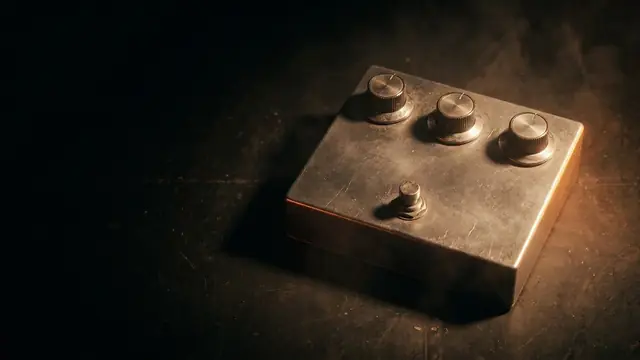 Big Muff settings from Gilmour to doomBig Muff starting settings for a singing lead, a Smashing Pumpkins wall of fuzz and doom, what each knob does, and why the pedal vanishes in a band mix.
 Compressor settings for clean, country and solosCompressor settings for clean rhythm, country picking and a sustained solo, what sensitivity, sustain and attack do, and why the pedal goes before the drive.
 Delay settings for lead and rhythm guitarDelay time, feedback and level for a lead, a rhythm part and a slapback, how to work out the time from the song's tempo, and where delay goes in the chain.
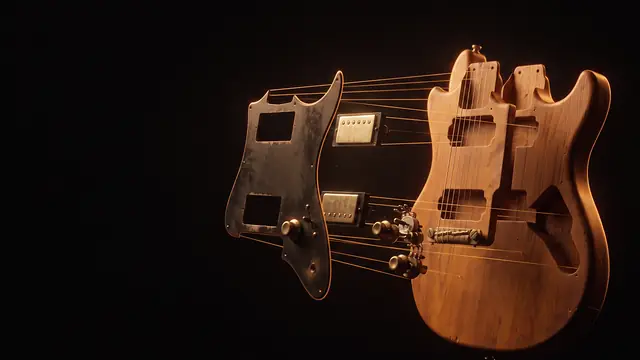 How to get any song's guitar tone on the amp you ownFind the documented rig, match the amp family, set the gain lower than you think and EQ against the record. A seven-step method, worked on a Boss Katana.
 Fender Mustang LT25 settings for clean, blues, rock and metalMustang LT25 settings for clean, blues, rock and metal, a printable cheat sheet, the amp behind all 20 models, its 30 presets and how to set the hidden Middle.