
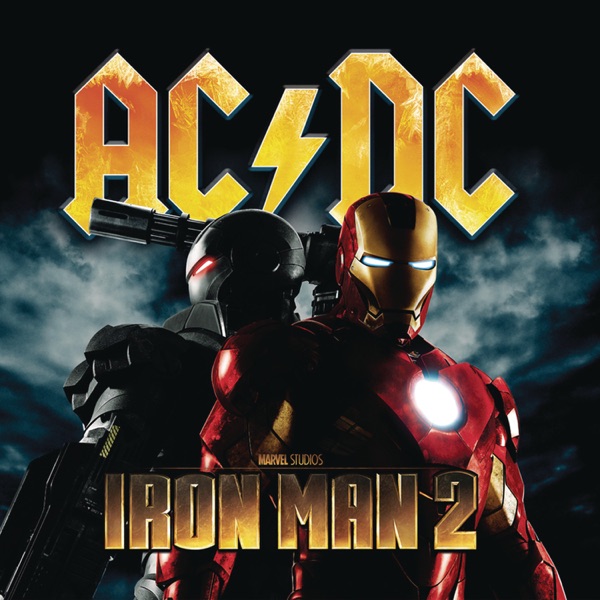
Thunderstruck
Rapid hammer-on intro with crisp, dry Marshall crunch.
What is the Thunderstruck guitar tone?
The Thunderstruck guitar tone is rapid hammer-on intro with crisp, dry Marshall crunch, heard on AC/DC's 1990s hard rock recording. It is a distorted riff tone, and AC/DC reportedly tracked it with Angus Young's Gibson SG into Marshall stacks, with the Schaffer-Vega wireless unit he used from around Back in Black onwards adding boost. This is a mid-forward sound rather than a scooped one, and it usually sits closer to the edge of breakup than to full saturation.
You do not need that exact gear to land in the same place. What carries this sound is the gain structure, the EQ curve, the pickup choice and the order of the effects, and all four can be rebuilt on equipment that costs a fraction of the original. The numbers change from amp to amp, because a high-gain head and a small practice amp reach the same voicing from different knob positions. That translation is what Tonelify works out for the rig you actually own.
Thunderstruck amp settings: a starting point
On a generic five-knob amp, start at Gain 6, Bass 5, Middle 6, Treble 6, Presence 6, Reverb 2, with the bridge pickup.
- Signal chain
- Schaffer-Vega wireless as a boost → Cranked Marshall
- The control that matters most
- Middle. This is a mid-forward sound, not a scooped one. Scooping it is the single most common way players miss this tone.
These positions are free and they are a starting point. A Katana, a Spark and a valve head reach this voicing from different knob positions, so Tonelify rewrites every value above for the amp and guitar you own.
Adapt these to my amp- Pickup
- Bridge pickup
These are positions on a generic five-knob amp with gain, bass, middle, treble and presence, each running 0 to 10. They are a starting point, not the settings used on the record, and they will not transfer unchanged to an amp with a different gain structure or EQ voicing. If you tell Tonelify which amp you own, it rewrites every value above for the controls that amp actually has.
What gear did AC/DC use on Thunderstruck?
Angus Young's Gibson SG into Marshall stacks, with the Schaffer-Vega wireless unit he used from around Back in Black onwards adding boost.
Sources: Marshall: Angus Young, Mixdown: Angus Young gear rundown
Tonelify reads that chain and translates it to the amp and guitar you already own, returning gain, bass, mids, treble and presence values along with a pickup position.
How do you get the Thunderstruck tone on your own amp?
Tell us your guitar, amp, and pedals
AI researches the original Thunderstruck tone
Get exact knob settings adapted to your rig
Thunderstruck tone questions
What amp settings do you need for Thunderstruck?
On a generic five-knob amp, start at Gain 6, Bass 5, Middle 6, Treble 6, Presence 6, Reverb 2, with the bridge pickup. These are positions on a generic five-knob amp with gain, bass, middle, treble and presence, each running 0 to 10. They are a starting point, not the settings used on the record, and they will not transfer unchanged to an amp with a different gain structure or EQ voicing. Tonelify rewrites the same values for the specific amp and guitar you own, because a high-gain head and a small solid-state combo reach the same rapid hammer-on intro with crisp, dry marshall crunch from different positions.
What is the most important control for the Thunderstruck tone?
Middle. This is a mid-forward sound, not a scooped one. Scooping it is the single most common way players miss this tone.
Can you get the Thunderstruck tone without the original gear?
Yes. The original was tracked with Angus Young's Gibson SG into Marshall stacks, with the Schaffer-Vega wireless unit he used from around Back in Black onwards adding boost, but the parts that define the sound are the gain structure, the EQ curve, the pickup position and the effects order. Those translate to other equipment, which is what the adaptation step does.
Is Thunderstruck a rhythm or a lead tone?
It is a riff part with a distorted character, from AC/DC's 1990s hard rock catalogue.
Does Tonelify cost anything to try?
Both plans start with a 7-day free trial and nothing is charged until it ends. Stage is metered and Headliner is unlimited within a fair use limit of 150 new matches a day, and yearly billing works out cheaper on both; the current prices are on your account page once you have one. Reading this page and the rest of the library costs nothing and needs no account.